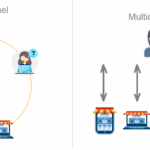
Omnichannel retailing is a business strategy of providing customers with a seamless experience by enabling them to interact with the brand using various channels, including offline as well as online channels. Omni-channel retailing refers to the use of multiple channels to interact with customers and fulfill their orders. There is flow of Information, Products and […]
Marketing & Sales
The Experience Economy: Concepts
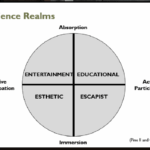
The Experience Economy recognises the significant importance of experiences in shaping individuals’ perceptions making businesses create compelling experiences for their customers. In the previous service economy, companies simply wrapped experiences around their services to sell them better. However, there is now a paradigm shift where businesses are deliberately designing engaging experiences that command a ‘fee’. […]
Trompenaars and Hampden-Turner’s Seven Dimensions of Culture

Trompenaars and Hampden-Turner’s “Seven Dimensions of Culture” model offers useful insights for managing cross-cultural interactions in both professional and personal settings. It explains national cultural differences in organizations and ways to effectively manage these differences in a heterogeneous business environment. Seven Dimensions of Culture Trompenaars and Hampden-Turner (1998) introduced a set of cultural dimensions based […]
Understanding Brand Identity and its elements
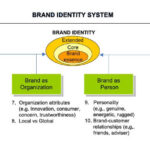
Learn about brand identity and strategies for building a strong brand identity. What is Brand Identity? Similar to how individuals have personalities which make them unique, brands also have identities which give them distinct characteristics. “A brand vision should attempt to go beyond functional benefits to consider organizational values; a higher purpose; brand personality; and […]
Aaker’s Brand Identity Planning Model
The Aaker model is a comprehensive guide on how to build brand identity. The model provides several ideas and paths for developing a brand identity and provides more charity to firms on what they should emphasize. Purpose of Aaker Model Compared to other similar model, the Aaker Model is more comprehensive as it provides strategists […]
Brand Extension Strategy Explained: Types and Examples
Learn about the concept of brand extension, including line and category extensions. Understand the advantages and disadvantages of brand extension, and the factors that contribute to successful brand extension. Brand Extensions What is Brand Extension? Brand Extension is a marketing strategy in which a successful brand name is used to launch new or modified products […]
What is Brand Equity?
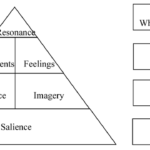
Brand Equity is generally defined in terms of marketing effects uniquely attributable to a brand. Brand equity represents the total value that accrues to a product as a result of a company’s cumulative investments in the marketing of the brand. Brand equity can also be thought of as an asset representing the value created by […]
Brand and Brand Elements
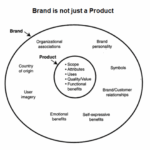
A brand is much more than a name or a logo, and represents the full ‘personality’ of the company. Here we understand the concept of brand, its elements, and the advantages it offers. Importance of a Brand Businesses that invest in and sustain leading brands prosper whereas those that fail are left to fight for […]
Customer Loyalty Ladder: Importance, Strategies for Building Loyalty
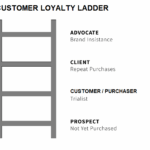
The customer loyalty ladder is a hierarchical model that enables businesses to classify customers based on their relationship and level of engagement with the business. It is a valuable tool to understand and nurture customer relationships that helps businesses increase customer satisfaction and create long-term loyalty. Satisfaction and Loyalty Satisfied customers provide positive word of […]
SERVQUAL Model of Service Quality Explained
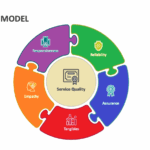
SERVQUAL is a widely used framework for assessing and measuring service quality in various industries and settings. SERVQUAL is based on the premise that customers’ perceptions of service quality are shaped by their expectations and the actual service they receive. Companies measure customer satisfaction as an indicator of service quality. This enables them to improve […]
Customer Profitability Analysis: CLV and other metrics explained
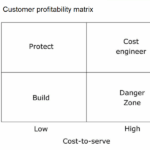
Not all customers are alike; they differ in their real profitability. Marketing is the art of attracting and keeping profitable customers. It involves making use of the 80– 20 rule, and in extreme cases see the most profitable 20 percent of customers may even contribute as much as 150 to 300 percent of profitability. A […]
Customer Acquisition & Retention Strategies
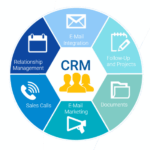
Customer Acquisition and Customer Retention are two essential strategies in marketing that focus on acquiring new customers and retaining existing ones. Customer lifecycle management (CLM) involves measuring various customer related metrics, which, when analyzed for a period of time, provides insights about the performance of a business. The four phases of Customer lifecycle include Marketing, […]
What is Relationship Marketing? Definition, Benefits and Examples.

Relationship marketing is a connection between equal partners, characterized by trust, commitment, communication, and sharing, which results in the mutual achievement of goals. It is basically interaction in networks of relationships. Relationships require at least two parties who are in contact with each other. The basic two-party relationship of marketing is that between a SUPPLIER […]
Customer Value Chain
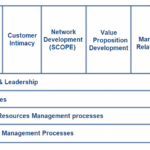
Francis Buttle’s Customer Value Chain outlines the stages involved in creating customer value and building profitable customer relationships within the context of customer relationship management (CRM). Customer Value Chain provides a systematic means of displaying and categorizing value activities and margin. At each stage in the value chain, there is an opportunity to contribute positively […]
Customer Value and Customer Perceived Value (CPV)
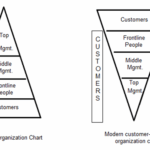
Customer value is the customer’s evaluation of the difference between all the benefits and all the costs of a market offering relative to those of competing offers (Kotler et al. 2008). Image adapted from Kotler and Keller (2016). In traditional organization, the business model adopted was “top management” at the top and customers at the […]
Success Factors for Customer Relationship Management (CRM)
Customer relationship management (CRM) is a strategy, used in combination with software system, to manage a firm’s interactions with existing as well as potential customers. CRM systems consolidate customer data from various channels and analyses it to understand more about the customers needs, behavior, and preferences. Here’s more on why capturing customer experience is key […]
Kapferer Brand Identity Prism Explained
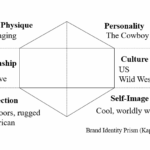
The Kapferer Brand Identity Prism is a branding tool commonly used by businesses to create a strong brand identity that resonates with its customers and sets itself apart from competitors. It provides a framework for visualizing the various elements that make up a brand’s identity. What is the Brand Identity Prism? In 1986, Jean-Noël Kapferer introduced […]
Understanding Marcom: Its objectives & tools used to achieve them
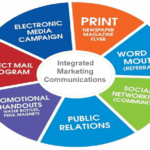
MarCom (short for Marketing Communication) is the use of various methods to promote products or services to the target audience. MarCom has various objective and marketers can make of use of various tools to help achieve those objectives. Marcom Objectives The most common objectives of MarCom include building a positive relationship between the brand and […]
Hierarchy of Effects Theory Explained
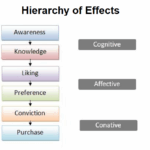
The Hierarchy of Effects Theory is a model in marketing and advertising that describes the sequence of stages a consumer goes through when making a purchase decision. These stages include awareness, knowledge, liking or interest, preference, conviction, and purchase. The theory proposes that advertising and marketing efforts can guide consumers through these stages, leading them […]
Brand Positioning: Concepts
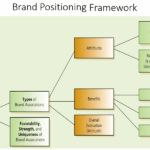
Brand positioning is about creating a suitable image for a brand in the minds of the target audience. As part of this process, the unique features of the brand are identified and is communicated effectively to create a distinct image of that brand to the target market. While brand positioning and positioning are part of […]