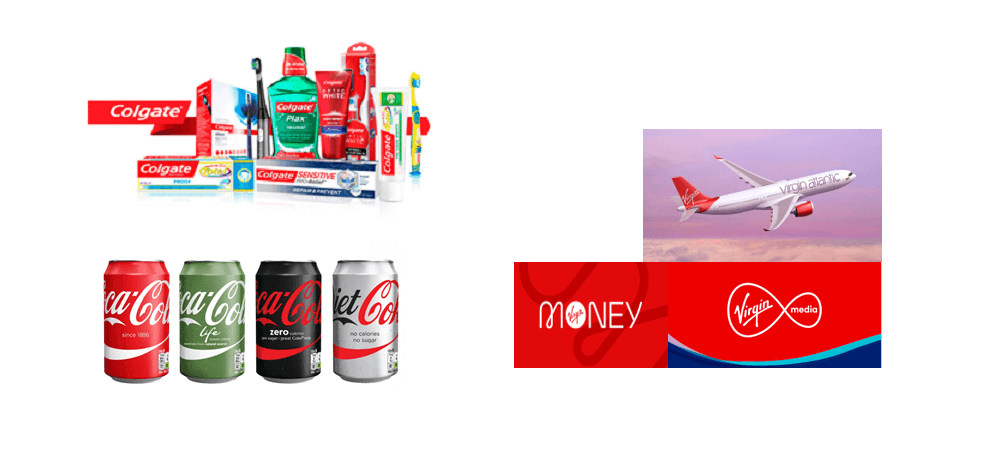
Learn about the concept of brand extension, including line and category extensions. Understand the advantages and disadvantages of brand extension, and the factors that contribute to successful brand extension.
Brand Extensions
What is Brand Extension?
Brand Extension is a marketing strategy in which a successful brand name is used to launch new or modified products in a new category.
The existing brand name is added to a new item in a line, or a new or revised version of a product.
Why Brand Extensions?
Here are some of the main reasons for brand extensions.
Brands need to grow just to sustain their place in the market. It creates excitement in the market, meets new market demand and provides competitive advantage to the firm.
All products go through a product life cycle, and over time sales show Growth-Slump-Maturity pattern, Cycle-Recycle Pattern, Scalloped pattern.
Most importantly, brand extension results in Stronger brand awareness and Brand Equity.
Brand Extension Dimensions
1. Line Extension
Line Extension is about exploiting and spreading the brand’s existing capabilities such as brand identity, brand image and brand equity within a category.
- Involves adding different variants of products or covering different price points.
- This is considered relatively less risky than category extension.
However there are also some downsides of Line Extension strategy.
- While line extension may increase market penetration, associated costs will also increase.
- Production line may get overwhelmed, it may cause distribution issues
- Brand image can also be affected
Line Extension can be best for the following::
- When a brand wants to defend its categorical position
- Reinforces brand’s expertise
- Help to attract less loyal users, new users or existing ones to buy more
Category Extension
This strategy involves extending the brand’s reputation, expertise and capabilities into new categories.
- It is about taking brand into new markets and provides opportunity for broader reputation. It can refresh the brand.
- It is riskier than line extension and there is less chance of success.
The main drawback is that if the desired category is farther than parent brand, it can damage the brand equity.
Brand image-fit and Brand-authenticity fit
Here are things to consider when planning for brand extensions.
Brand image-fit: The perceived similarity (product category and usage situation) and relevance of parent-brand associations (e.g. attributes and benefits) for the extension category.
Is the extension similar and relevant to the brand? Is it consist with the existing image?
- Line extensions have better/consistent brand image fit and as a result have low risks.
- Category extensions have low similarity or brand image fit and as a result have high risks.
Brand-authenticity fit: A consumer’s sense that a brand extension is a legitimate, culturally consistent extension of the parent brand.
- Stylistic consistency: Does it reflect the parent brand’s historic look and feel?
- Sustaining brand essence: Does it maintain the brand’s identity and existing associations?
- Honoring brand heritage: Does it connect back to the brand’s past?
- Brand exploitation: Is it contributing on parent brand’s status?
Advantages and Disadvantages of Brand Extensions
Advantages
- Facilitate new product acceptance
- Reduce risk perceived by customers
- Increase the probability of trial
- Increase efficiency of promotional expenditures
- Reduce costs of introductory and follow-up marketing programs
- Cost of developing a new brand
- New avenues for recommendations, WOM
- Bring new customers and increase market coverage
- Revitalize the brand
- May allow subsequent extensions
Disadvantages
- Confused or frustrated consumers
- Possibility of retailer’s resistance
- May damage parent brand’s image
- Can succeed but cannibalize sales of parent brand
- Can dilute brand meaning
- Can cause the company to forgot the chance to develop a new brand
- May lead distribution issues
Developing Brand Extensions: Steps
Here’s are the steps involved in developing brand extensions:
- Opportunity identification: Will the extension achieve key strategic goals such as Increased revenue, Growth in usage/users, Enhanced brand equity, Strengthen the brand (competitors, reduce threats), Overcome strong competitors in the category, Gain channel support.
- Assessment of fit with target users: Assess fit in terms of brand image similarity (focus groups). Does the Line extension fulfill a need served by parent brand? For category extension, assess fit in terms of brand image similarity (focus groups). Assess what target users know and like about the parent brand (quantitative, surveys). Can brand’s assets be stretched successfully?
- Assessment of fit with stakeholders: Gain expert feedback from lead users, influencers and other stakeholders Is there a need for the line extension? For category extension, can brand’s assets be stretched successfully?
- Assessment of impact on parent brand: Assess impact of the extension on loyal brand users
- Develop extension: Monitor product/service development through models such as stage-gate (assess resources and risk for each stage)
- Develop supporting marketing programs: Clearly communicate points of distinction.
- Launch: Launch extension and emphasize the authenticity
- Tracking: Assess extension associations and its impact on parent brand
(Bevegong, 2021)
References
- Kotler and Armstrong, 2002. Principles of Marketing.
- Spiggle et al. 2012. More Than Fit: Brand Extension Authenticity
- Beverland, M. 2021. Brand management; Co-creating meaningful brands
Related: Branding: All Concepts & Theories