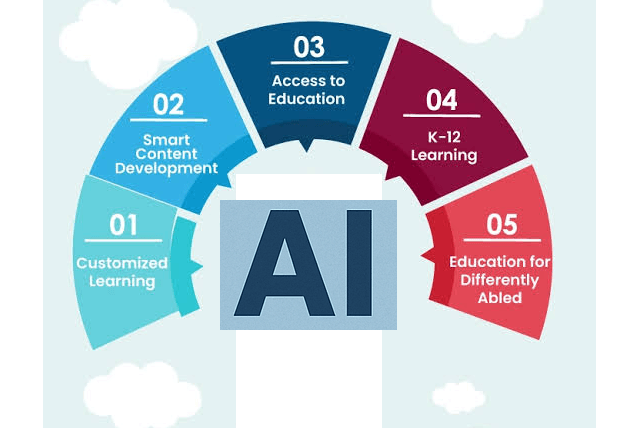
Generative AI is moving from experimental novelty to everyday infrastructure in education. Adoption is increasing – many K-12 students are using these tools for schoolwork and almost every university student today uses these tools. Usage among teachers is also increasing, mainly for planning, materials creation, and administrative tasks.
AI-in-education is one of the fastest-expanding segments of EdTech, driven by both consumer tools and school platforms. Nobody is today debating whether they should use AI; instead, the conversation has shifted to “How do we use it responsibly and effectively?”.
AI usage in education can be divided by the following user groups.
For Students
Students mainly use AI for explanation, research, writing support, practice, and study organization. Usage is higher among older students and in higher education. Popular needs include:
- Step-by-step explanations and tutoring (especially acting as guides rather than simply gives answers)
- Summarizing and questioning own notes, slides, or PDFs
- Cited research and source-based answers
- Flashcards, quizzes, and active recall
- Writing feedback, outlining, and polishing
- Math/STEM problem-solving with worked steps
For Teachers
The biggest early win for this user group is productivity and workflow support. Teachers primarily use AI for:
- Lesson and unit planning
- Reading-level adaptation
- Quiz/worksheet/rubric generation
- Parent communication and report comments
- Feedback and light grading support
For Parents
Parents use AI tools mainly to get overview of certain topics, and for home learning. Common use cases are:
- Helping with homework explanations
- Generating practice materials
- Monitoring or guiding children’s AI use
- Supporting differentiated needs of learners
- Finding age-appropriate, safer AI experiences
Key Trends
Most major tools offer meaningful free access; paid tiers unlock unlimited use, history, advanced features, or institutional controls.
Tools that live inside existing workflows (Google Workspace, LMS) or provide oversight of student AI sessions are gaining traction.
Focus is moving toward designing assignments and assessment that work with AI rather than solely detecting its use.
Users are using multiple tools. Teachers and students typically combine a planning/tutoring platform, a general assistant, and a specialized helper (writing, math, flashcards, or research).

Leave a Reply