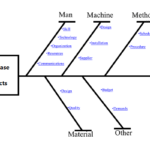
The 4M Framework — Man, Machine, Material, Method — is primarily an operations and process management tool that is commonly used in lean manufacturing and quality management. It is a root cause analysis tool used during DMAIC (Define-Measure-Analyze-Improve-Control) projects to identify, categorize, and address the sources of defects, inefficiencies, quality issues. MAN – Manpower is […]
Operations & Supply Chain
Transportation in Supply Chain: Concepts & Theories
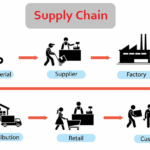
Transportation refers to the movement of product from one location to another. Products manufactured by companies are rarely produced and consumed in the same location. Hence transportation plays an important factor. Key Learnings: Align transportation strategy with competitive strategy Consider both in-house and outsourced transportation Use technology to improve transportation performance Design flexibility into transportation […]
Economic Order Quantity (EOQ): Benefits & Calculation
Economic Order Quantity (EOQ) is a mathematical formula to calculate the optimal order quantity to minimize total inventory costs. Benefits of EOQ (Managerial Implications) Economic Lot Size (ELS), also known as Economic Order Quantity (EOQ), balances the costs of inventory against the costs of setup over a range of batch quantities. In this model, the […]
The Bullwhip Effect: Meaning and Example
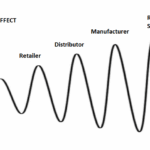
The bullwhip effect is a concept of inventory fluctuations or inefficient asset allocation as a result of demand changes as you move further up the supply chain. As such, upstream manufacturers often experience a decrease in forecast accuracy as the buffer increases between the customer and the manufacturer. Benefits of minimizing the bullwhip effect Every […]
Inventory Management: Methods, Techniques, Theories
Learn about key strategies and best practices for effective inventory management to optimize stock levels, reduce costs, and improve business efficiency. In this article, we will understand the purpose of inventory, characterize the inventory policies in EOQ model, discuss other issues in inventory management, and discuss supply chain strategies in practice. Inventory Management: Basics What […]
Supply Chain Management: Comprehensive Guide and Strategies
Learn the importance of effective Supply Chain Management (SCM) in today’s business world. Know more about the various SCM concepts, strategies, tools, and techniques. Supply chain management (SCM) is the management of the relationships and flows between the various activities of operations and processes that produce value in the form of products and services for […]
The Key Elements of Service Operations: A Comprehensive Guide
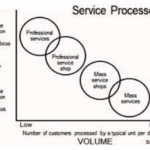
Service operations refer to the business and operational activities involved in actually delivering a product or service to a customer, including service design, service delivery, and service management. Learn more about the distinct concepts within the broader field of service management. Understand how firms manage service quality and optimize their service operations for maximum efficiency, […]
The Five Essential Performance Objectives of Operational Success
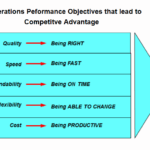
Performance objectives of operations are measurable goals that a company sets in order to ensure that its operational activities are carried out as efficiently and effectively as possible. Learn how organizations use strategic performance objectives to improve operations, optimize operational efficiency, maximizing profitability and to gain competitive advantages. What are the Performance Objectives of Operations […]
Understanding the Transformation Process in Operations Management
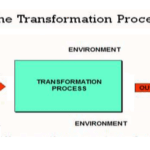
The transformation process refers to the series of activities that transform inputs into outputs and is a core concept in the study of operations management. This framework is commonly used in operations management to optimize the various processes and to streamline operations. Introduction The transformation process refers to the various activities that businesses undertake to […]
The 4 Vs of Operations Management Explained
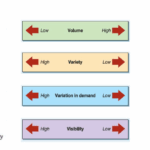
In Operations Management, the 4Vs refer to the four dimensions used to assess operations processes. Typology of Operations: 4Vs Operations can be categorised into four dimensions, referred to as The 4Vs typology. These four dimensions are Volume, Variety, Variation in demand, and Visibility. Volume It refers to the Quantity (units) of products that a company […]
New Product Development (NPD): Various Models
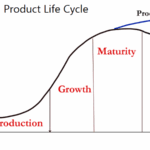
New Product Development (NPD) refers to the process or steps needed to produce a new product and introduce it in the market. In order to improve customer satisfaction and to increase market share, firms use strategies such as regularly introducing new products and improving upon variables such as cost, time and quality. Managing new products […]
Logistics Management: Core concepts
Logistics management, a component of supply chain management, is the process of efficiently transporting goods from the starting point to the destination. It involves steps such as acquisition, storage and transportation of inventory. Here we will try to understand the Logistic concept, identify main activities and elements within logistics, recognise various modes of transport in […]
Theories in Crisis Management
Crisis theory in management refers to the various plans (course of action) that firms could take when they are faced with a crisis. Crisis refer to the occurrence of sudden, unplanned events that cause major disruptions to the working of a company and have the potential to generate fear among employees and negatively affect their […]