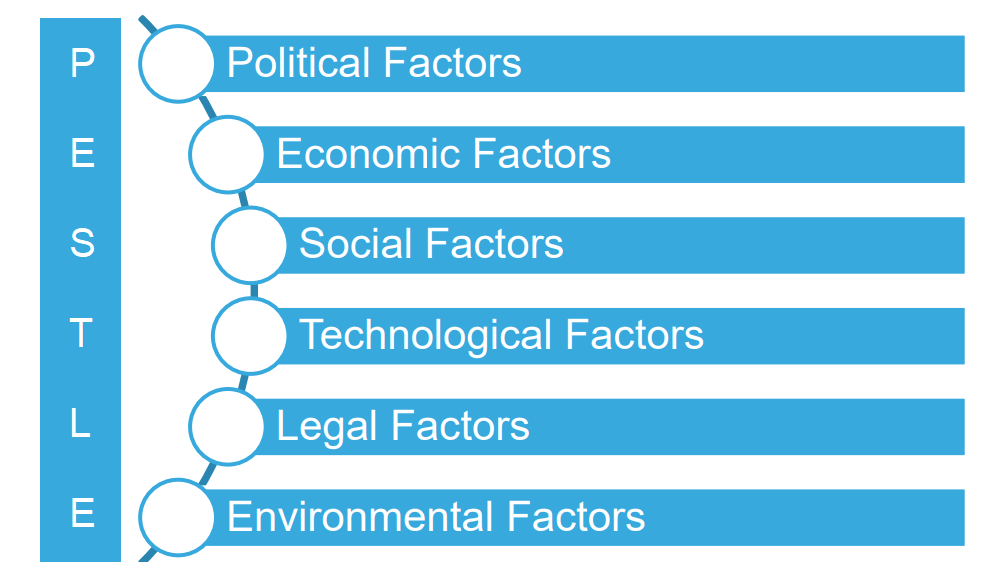
Technological Environment (Domestic or Foreign Technological Factors) and its impact on business.
Two of the principal divers of global development have been speed of communication and the reduction in cost of technology.
Impact of technological advances:
- Ability to gather data on markets
- Management control capabilities
- Operational practicalities of electronic communication
4th Industrial Revolution:
- Autonomous production and 3D printing
- Cloud computing and advanced robotics
- Augmented reality (AR), virtual reality (VR), artificial intelligence (AI) and the metaverse
New technology changes the way companies go to market through shifts towards more email and web-based marketing and greater efficiency in direct and database marketing techniques.
Changes in technology can influence businesses and organizations may need to adopt modern technology, learn new techniques and use different methods.
New technologies in both home and host market impact strategic thinking and should be taken into account when developing a global marketing strategy.
Changes in technology particularly affect high-technology industries, where firms must decide whether they wish to dominate that market by pushing their own particular technology standards, and especially where new technology renders existing standards obsolete.
Technological factors include New discoveries and technology developments. Examples include developments on the internet, nano-technology or the rise of new composite materials. Various indicators of innovative activity include: Research and development budgets. New product announcements. Patenting activity. Media coverage.
In scanning the technological environment, we are particularly interested in research and development (R&D) trends, and our competitors’ R&D efforts. For example, in the pharmaceutical and chemical industries, companies have for a long time developed new compounds based on modifications of compounds registered for patents by their competitors in a process known as ‘reverse engineering’.
Innovation becomes a necessary condition in the strategic marketing decision-making of high-technology firms. For less technology-intensive firms, innovation of some form, whether it is process- or product/service-focused, or at least rapid adoption of new product/service variants based on competitors’ offerings, is still usually necessary to stay ahead of the competition.
Questions to Ask
- What are some technological trends that have occurred or are occurring? i.e. new technologies, transportation, ICT and media etc.
- What impact do you think each of these changes might have on the case study organisation?
- What impact do you think each of these changes could have on marketing activities?
Related: PESTLE Analysis

Leave a Reply