The legal environment of a country is framed by its government and comprises of business laws that every business operating in that country must adhere to.
Understanding the Legal Environment
Legal Environment (Domestic or Foreign Legal Factors) stems from the political stance and cultural attitude towards business in the domestic and foreign market in which the company operates. International law are often relevant for global companies as they refer to rules and principles that nations use to bind themselves.
Its important for managers to understand how different legal systems affect the conduct of business. to understand trends in the evolution and diffusion of legal systems, to examine the major legal issues facing international business companies, to understand the issues related to intellectual property and the bases of concern and controversy.
A Legal system refers to the mechanism for creating, interpreting, and enforcing the laws in a specified jurisdiction. In general, differences in the structure of law influence the attractiveness of a particular country as an investment destination.
Types of Legal Systems
- Common law (based on precedent)
- Civil law (based upon a set of laws that comprise a code)
- Theocratic law (based upon religious precepts)
Customary law anchors itself in the wisdom of daily experience or important traditions. A mixed legal system emerges when two or more legal systems are used within a single country.
Legal Issues in International Business
Businesses have Operational concerns related to ease of entry and exit, hiring and firing employees, contract enforcement. They also have Strategic concerns such as product safety and liability, marketplace behavior, product origin, legal jurisdiction, arbitration.
They also are concerned about Intellectual property rights [IPRs] which relates to ownership rights to intangible assets [copyrights, patents, trademarks, etc.].
In general, less developed countries provide less protection for IPRs than do industrialized nations. Those countries with a more individualistic orientation view IPRs as intrinsically legitimate, but those with a more collectivist outlook extol the virtues of shared ownership.
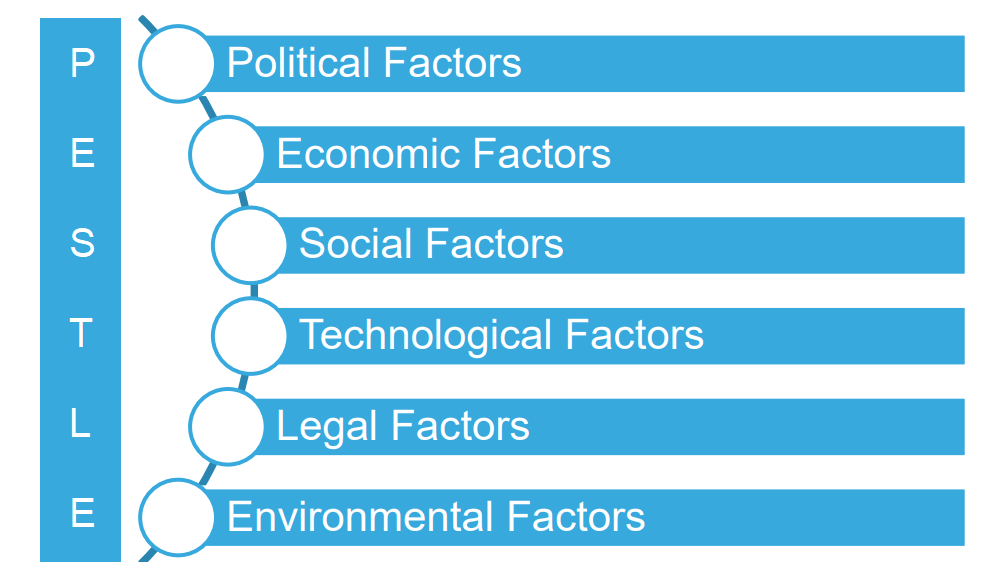
Carrying Out PESTLE Analysis
Laws and regulation are enacted in most countries ranging from the transparency of pricing, the prevention of restrictive trade practices, product safety, good practice in packaging and labelling, and the abuse of a dominant market position, to codes of practice in advertising, to take just a small selection.
There is formation of laws, rules and regulations of concerned department, governments and the international organizations and communities.
Product Safety, Packaging, and Labelling – Generally, in the EU, product labelling regulation tends to relate to recycling of packaging and waste to ensure it complies with environmental regulations, whereas in the USA, for example, packaging and labelling regulations are more concerned with fair practice and ensuring that packaging does not contain misleading advertising statements.
Codes of Practice in Advertising – Advertising standards differ around the world. In some countries, for example, the UK, advertising is self-regulated, i.e. by the advertising industry itself. In other countries, advertising is restricted by government legislation.
Questions to Ask
What are some legal developments and/or changes that have or are occurring? i.e. Data protection law, driving laws, alcohol consumption etc.
Related: PESTLE analysis explained
To sum it up, international business is affected by laws and regulations enacted both by countries and by international organizations. Laws may be at cross-purposes; some may diminish the ability of firms to compete with foreign competitors.

Leave a Reply