The ISC Class 11 Economics Project is designed to bridge the gap between theoretical economic concepts such as – demand, supply, and production — and their real-world applications.
The objectives include:
- Applying classroom learning to actual market scenarios.
- Develop Research Skills: Develop the ability to collect, organize, and analyze data systematically.
Project Structure
- An ideal project report for Class 11 should be around 10-12 pages.
- You must provide lots of statistical tools like Pie Charts, Bar Graphs, and Tables.
- Bibliography: Cite sources like websites, newspapers, and ISC Economics textbook.
Sample project topics
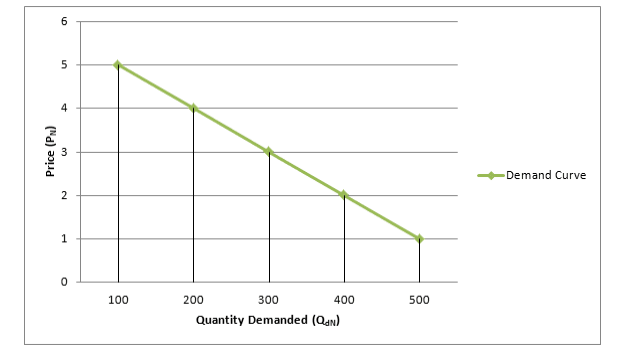
- Price Elasticity of Demand: A case study on a local product (e.g., how salt or petrol demand changes with price).
- Opportunity Cost: Analyzing real-life decision-making for a household or a small business.
- Market Structures: A report on a specific industry, such as the Indian Railway (Monopoly) or the Toothpaste market (Monopolistic Competition).
- Sustainable Development: The economic impact of shifting to solar energy or organic farming.
- Demonetization/GST: Assessing the impact of these policies on local small-scale traders.
Sample project topics
- Study on Impact of Advertisement on Consumer Choice
- Role of Government Subsidies in Agriculture
- Study of Public Goods and Local Provision
- Microfinance and Its Impact on Local Small Businesses
- Study of Monopoly Pricing: Case of a Single Service Provider
- Study on Savings Behaviour among Teenagers
- Impact of Online Shopping on Local Retailers
- Comparative Price Study of Branded vs Generic Products
- Study of Exchange Rates: Impact on Local Import Prices
- Effectiveness of Price Controls: Case of Essential Commodities
- Role of Cooperative Societies in Local Economy
- Cost-Benefit Analysis of a School Project (e.g., Laying of Turf for sports)
- Study on Digital Payments Adoption in Local Shops
- Impact of Digital India movement on the Economy
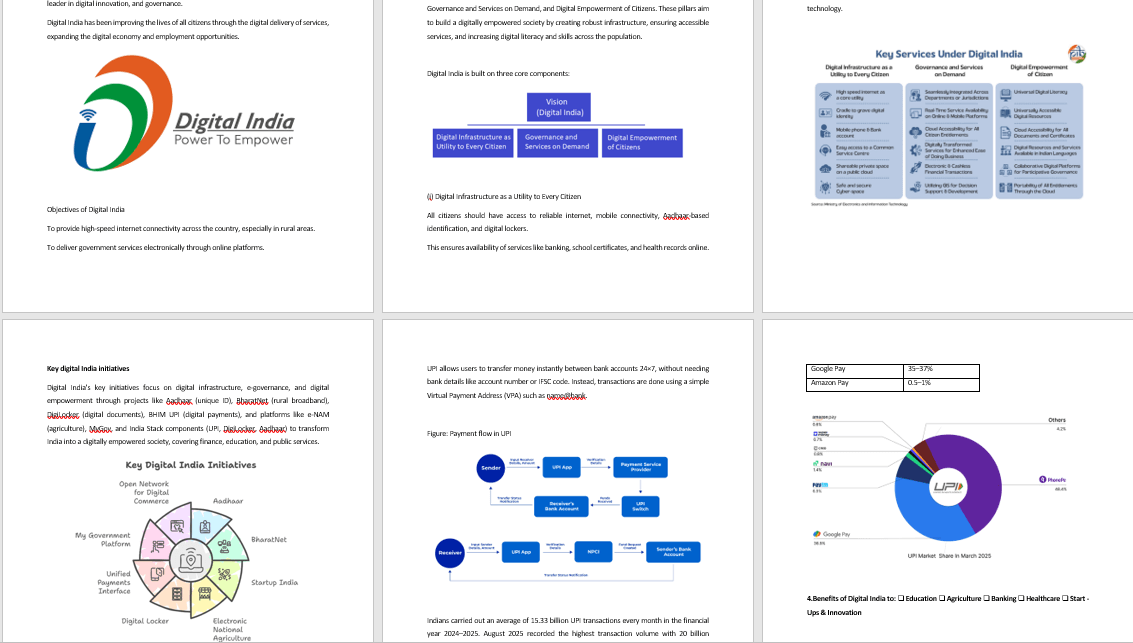
Digital India?
Digital India is a flagship initiative launched by the Government of India on 1st July 2015 to transform India into a digitally empowered society and knowledge economy.
Three Key Areas (Vision Pillars) of Digital India:
- Digital Infrastructure as a Utility to Every Citizen
- Governance and Services on Demand
- Digital Empowerment of Citizens
For a project on Digital India you can further add:
- Digital Economy’s contribution to the National Income. Benefits of Digital India to: Education, Agriculture, Banking, Healthcare, Start Ups & Innovation
- UPI -A Game Changer in digital payments in India. Market share of PhonePe, Amazon Pay and Google Pay in the total UPI transaction volume of India.
- Major achievements and challenges of Digital India

Leave a Reply