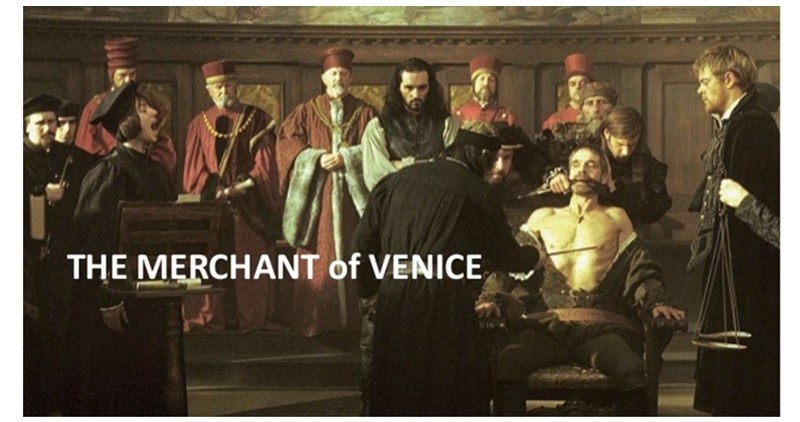
Differences in the character traits of Antonio and Shylock; beliefs and priorities make Shylock the villain in The Merchant of Venice.
Antonio and Shylock are the two main protagonists in William Shakespeare’s play “Merchant of Venice.” Both of them are merchants who lend money and are popular figures in the city of Venice. However, both of them have different temperaments and principles, and they both hate each other.
While both lend money, their terms and intentions are also entirely different. Antonio lends money because he genuinely wants to help people, and not because he wants to make huge profits from lending. Shylock, on the other hand, is a cunning merchant who lends money and extracts a huge amount of interest on the loan, and he can go to any extent to recover his money.
In the play, both the characters suffer losses. Antonio’s ships are stuck in the sea and he has to depart from his dearest friend Bassanio, while Shylock’s daughter Jessica elopes taking away his father’s money.
However, for Antonio, it is the relation of friendship with his dear friend Bassanio that holds the greatest value. As a loyal and generous friend, Antonio funds Bassanio’s trip to Belmont; he is willing to use his wealth and power to help his friend so that he could marry Portia, a wealthy heiress. Despite his own ships and finances stuck in the sea, Antonio is worried more for Bassanio and wants to help him gain his love, even if it means approaching his adversary Shylock for a loan.
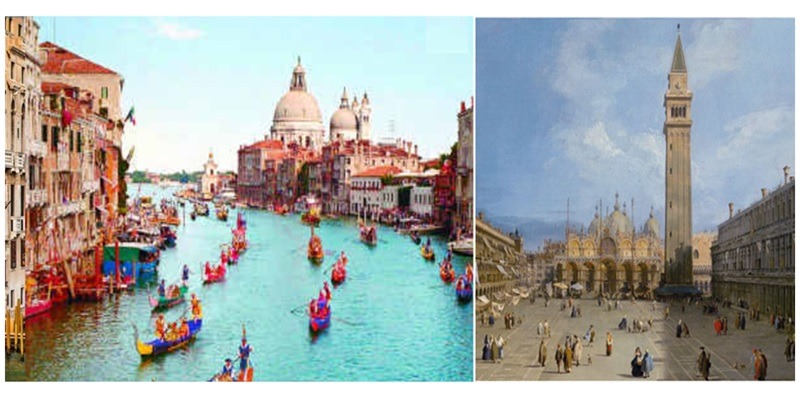
On the other hand, Shylock is a cunning merchant who always wants to make more money; he cries more for his money than for his daughter when his daughter elopes. Shylock also finds it disgusting that her daughter eloped with a Christian boy, and not with someone from their own community.
Shylock’s terms of lending can also be very cruel as can be seen from the condition he puts forth when he lends money to Antonio – that he will extract a pound of flesh from Antonio’s body if he fails to return his money within the stipulated time.
It is because of these reasons that Shylock is seen as the main villain in The Merchant of Venice.
Thankfully for the readers, the ending of the play is on a happy note, where the righteous emerges the winner, and the villain is punished. At the end of the play, Antonio gets back all his ships and money, whereas Shylock hos to incur substantial losses.

Leave a Reply